


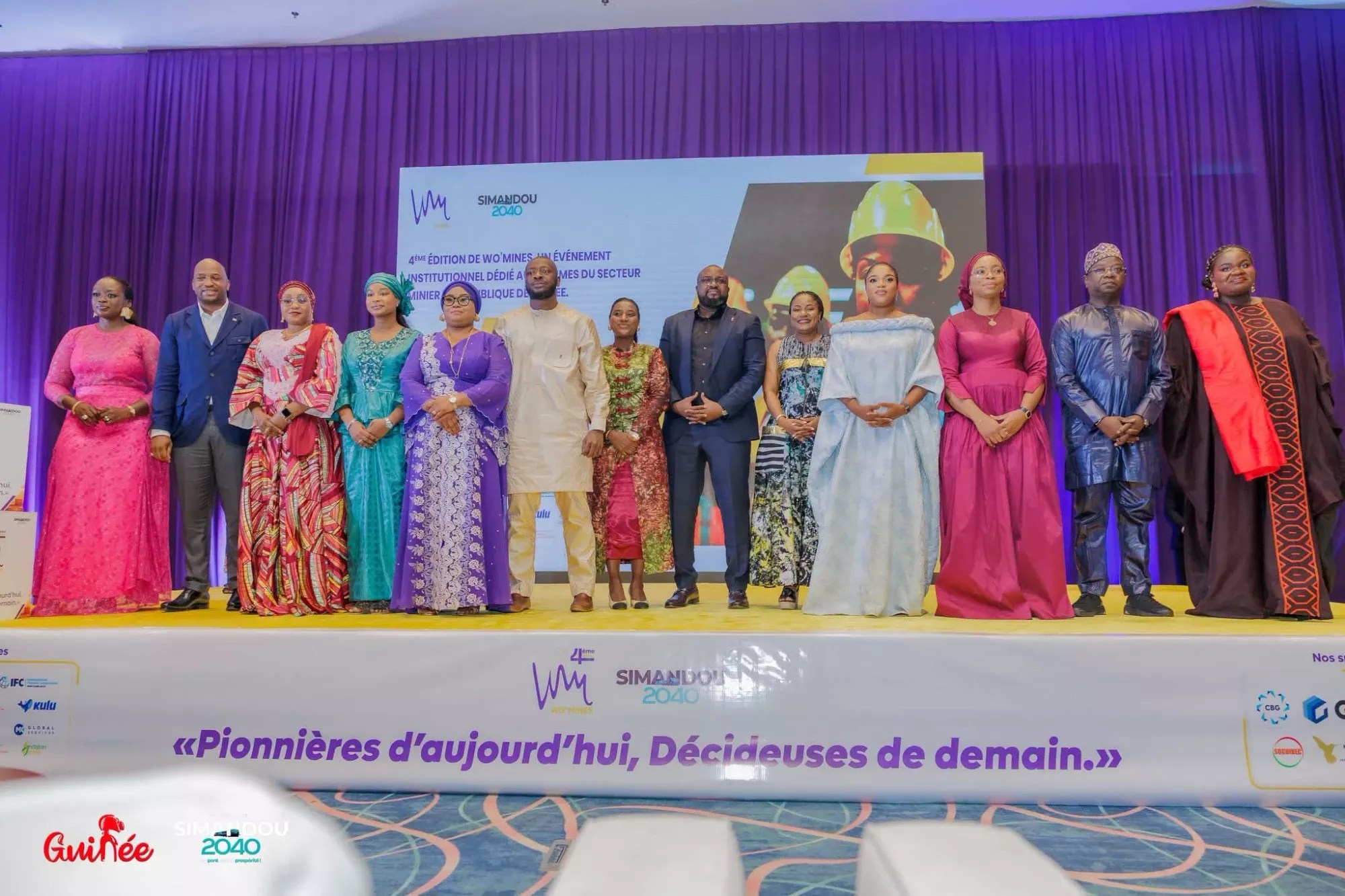
Conakry, Guinea — The fourth edition of WO’MINES, Guinea’s premier annual forum dedicated to women in the mining industry, brought together government leaders, mining executives, technical professionals, and development partners to celebrate the achievements of women in the sector and accelerate discussions on their role in shaping Guinea’s economic future.
Held in Conakry under the theme “Pioneers Today, Decision-Makers Tomorrow,” WO’MINES 2026 demonstrated how gender inclusion is increasingly being recognized as a strategic component of Guinea’s mining transformation, particularly as the country advances large-scale initiatives linked to the Simandou 2040 development vision.
The event attracted high-level participation from government officials, including senior representatives of the Presidency, ministers, and key stakeholders from the mining industry. Beyond recognition and networking, the forum focused on a critical issue facing the sector: how to increase the representation of women in leadership and decision-making positions across mining operations, corporate management, technical disciplines, and governance structures.
Leadership Development Takes Center Stage
A major highlight of the forum was a series of masterclasses dedicated to strengthening women's leadership capabilities. Sessions focused on boardroom participation, executive presence, strategic influence, and communication skills—areas increasingly viewed as essential for career advancement in modern mining organizations.
As Guinea’s mining industry becomes more sophisticated and globally connected, companies are placing greater emphasis on governance, sustainability, stakeholder engagement, and strategic decision-making. These functions require diverse leadership teams capable of managing complex challenges. The discussions at WO’MINES reflected a growing consensus that expanding female participation in leadership roles is not only a matter of inclusion but also a business imperative.
Honoring the Pioneers of Guinea’s Mining Industry
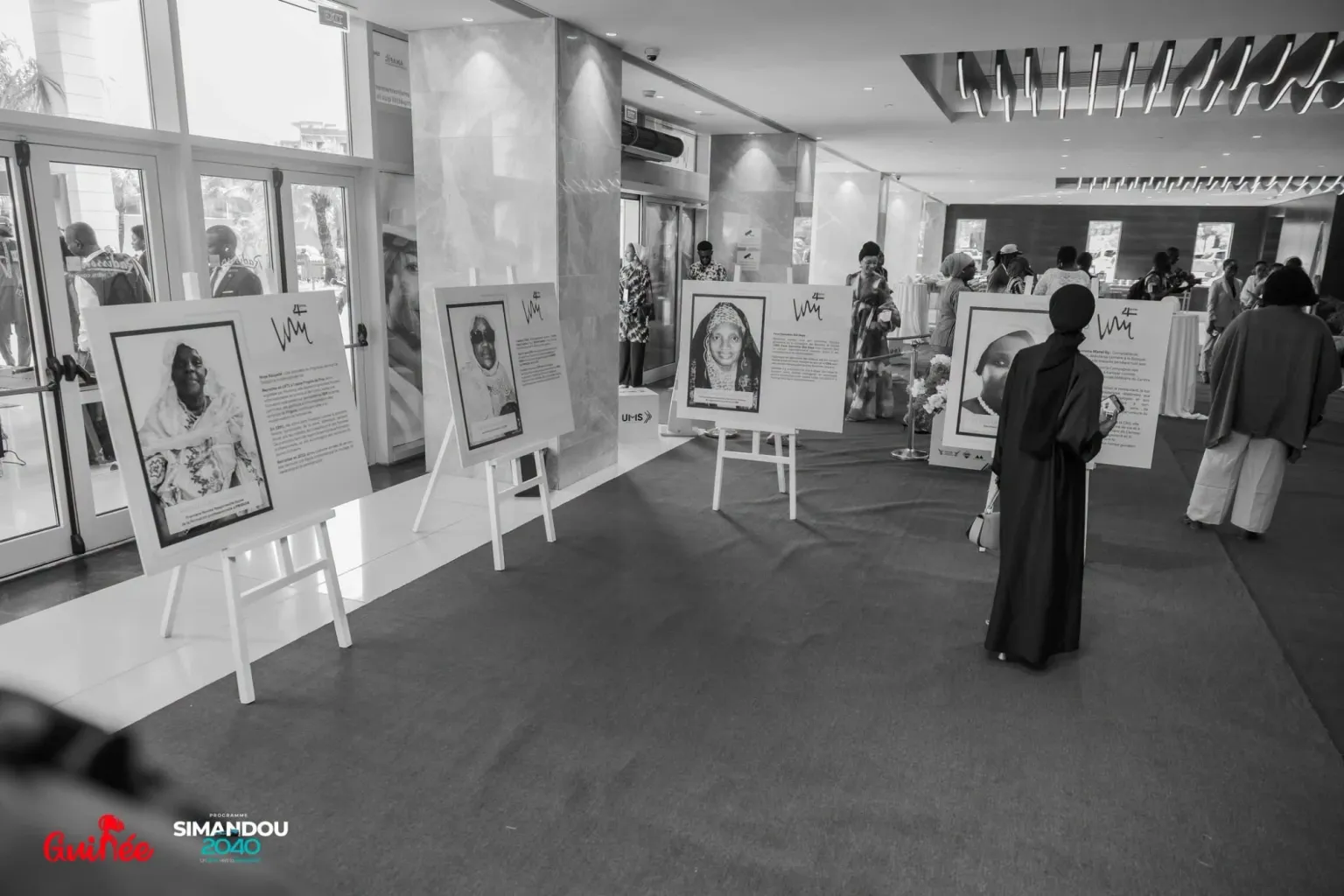
The forum also paid tribute to several pioneering women who dedicated decades of service to the mining sector through Compagnie des Bauxites de Guinée (CBG). Their recognition served as a reminder of the progress made over the years and the challenges that remain.
The tribute highlighted the often-overlooked contributions of women who entered the mining industry at a time when female representation was significantly lower than it is today. Their achievements have helped open pathways for a new generation of geologists, engineers, metallurgists, environmental specialists, community relations professionals, and executives.
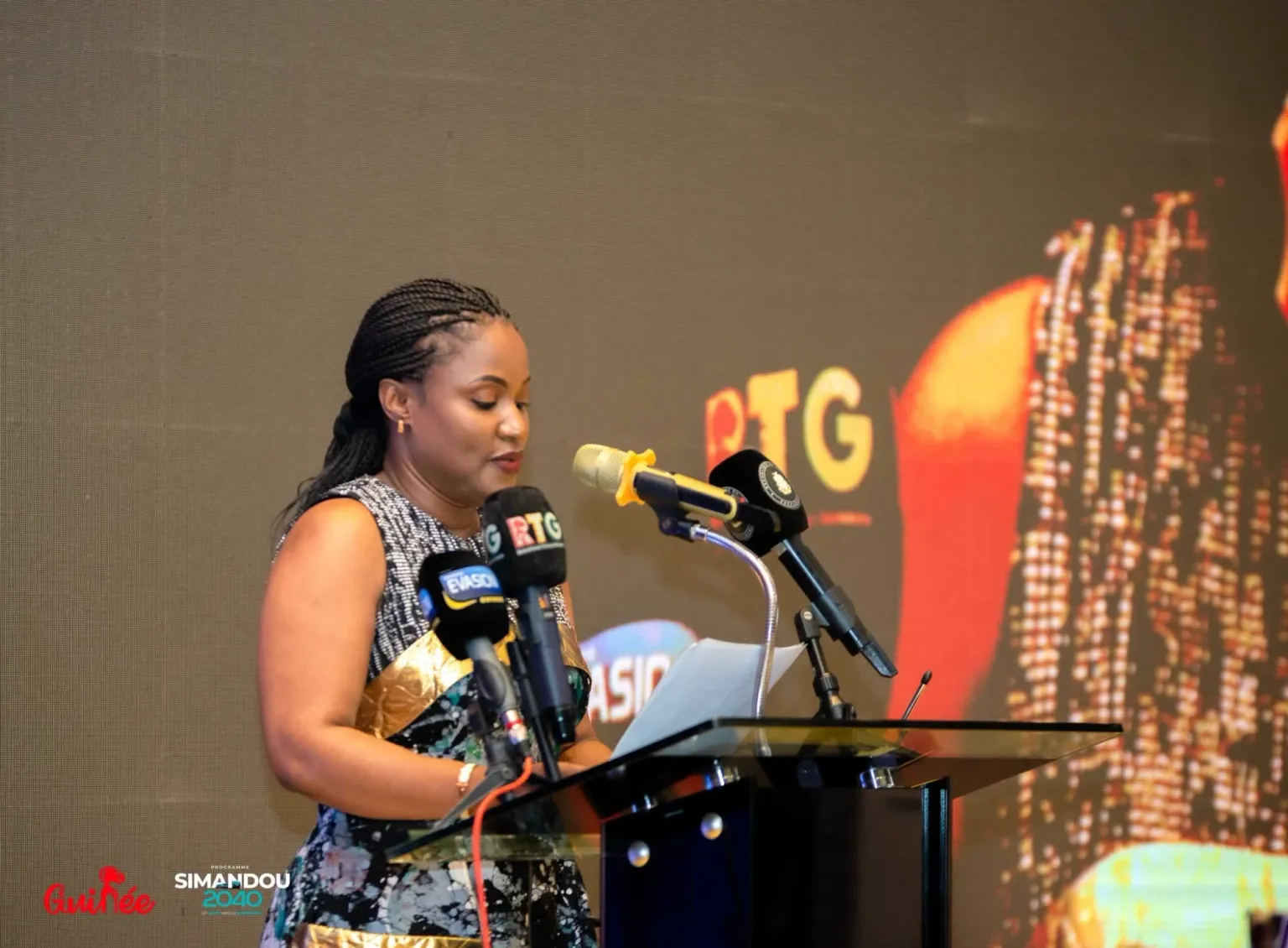
Women in Mining Guinea President Aïssata Beavogui emphasized that WO’MINES has evolved beyond a networking platform into a movement that preserves institutional memory, recognizes excellence, and creates opportunities for future leaders.
Industry and Government Reaffirm Commitments
Several speakers used the forum to reaffirm commitments to advancing gender diversity in the mining workforce.
Representatives from the private sector highlighted ongoing mentorship and leadership-development programs designed to prepare women for senior management and board-level positions. Mining companies increasingly recognize that talent shortages in technical and leadership roles cannot be addressed without fully utilizing the country’s entire human capital base.
Government officials echoed similar priorities. The Ministry of Mines and Geology emphasized that women’s participation is essential to Guinea’s long-term mining development strategy and economic growth objectives.
Particular attention was given to educational initiatives linked to the Simandou 2040 framework. Authorities noted that scholarship programs are being structured to ensure greater access for women and girls pursuing higher education and technical careers relevant to the mining industry.
The Ministry of Women, Family and Social Affairs further stressed that sustainable national transformation cannot be achieved while excluding half of the country's human potential. This message resonated strongly throughout the event, reinforcing the view that human capital development must accompany mineral resource development.
From Inclusion to Competitiveness
One of the strongest messages emerging from WO’MINES 2026 was that gender inclusion should no longer be viewed solely through a social lens. Increasingly, it is being framed as a factor of competitiveness, productivity, innovation, and corporate performance.
Global studies across industries have consistently shown that diverse leadership teams often deliver stronger governance outcomes, improved risk management, and enhanced decision-making. In mining, where projects involve complex technical, environmental, social, and financial considerations, these advantages are becoming increasingly relevant.
For Guinea, the timing is particularly significant. The country is entering a new phase of mining-led growth driven by major investments in iron ore, bauxite, gold, critical minerals, infrastructure, and industrial development. These projects will create thousands of opportunities across engineering, project management, operations, logistics, finance, technology, and community development.
The challenge now is ensuring that women are positioned to capture a meaningful share of these opportunities—not only as employees but also as entrepreneurs, suppliers, executives, and policy-makers.
Analysis: A Strategic Opportunity for Guinea’s Mining Sector
WO’MINES 2026 reflects a broader evolution taking place within Guinea’s mining industry. While significant progress has been achieved in increasing female participation, representation remains limited in many technical and executive roles.
To translate commitments into measurable outcomes, stakeholders will need to move beyond awareness campaigns and focus on practical actions. These include strengthening STEM education for girls, expanding scholarships, establishing targeted recruitment programs, supporting mentorship initiatives, and creating clear pathways to leadership positions.
Mining companies operating in Guinea also have an opportunity to integrate gender diversity objectives into workforce development plans, succession strategies, and local content programs. Such measures can help build a stronger talent pipeline while supporting broader national development goals.
As Guinea seeks to maximize the long-term benefits of its mineral wealth, forums such as WO’MINES demonstrate that the future competitiveness of the sector will depend not only on the quality of its deposits but also on the ability to develop and mobilize all available talent.
The message from WO’MINES 2026 was clear: the future of Guinea’s mining industry will be stronger, more innovative, and more sustainable when women are fully represented at every level—from mine sites and laboratories to boardrooms and government institutions.
Share on social media

-