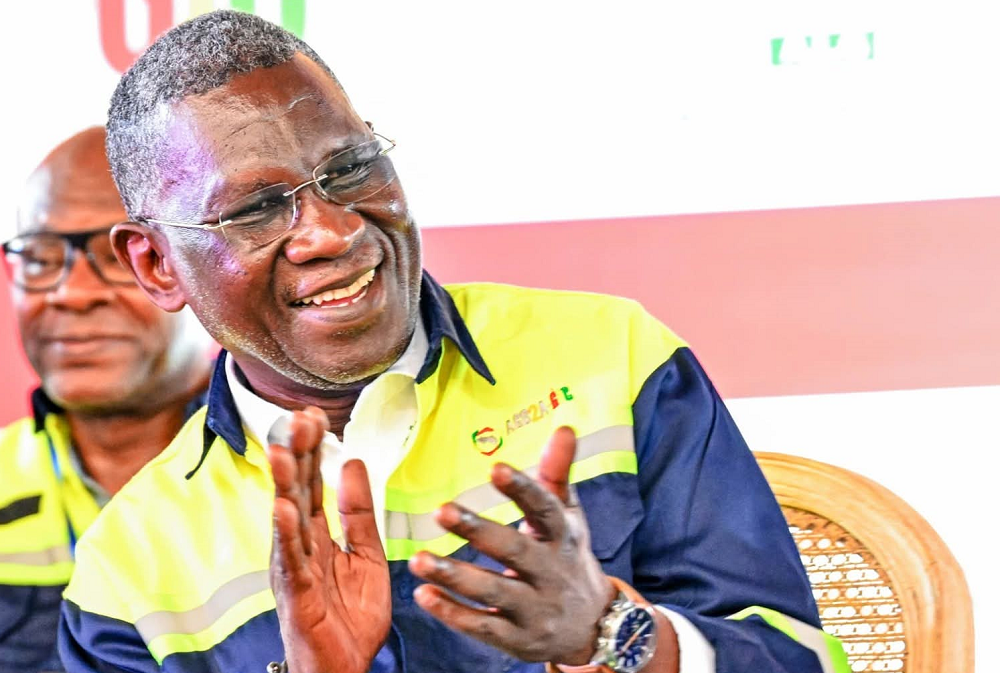
Over the past decade, Guinea has positioned itself as a nation determined to make local content a cornerstone of its mining policy. With its rich deposits of bauxite, iron ore, and gold, the country aims to ensure that its citizens—not just foreign investors—benefit directly from the exploitation of its mineral wealth. Yet, recent developments surrounding Guinean mining entrepreneur Ahmed Kanté have reignited debate about the true state of local content implementation in the country. His case highlights a deeper paradox: while Guinea promotes local participation in mining, national investors often face systemic barriers that undermine this very vision.
The Promise and the Practice
Guinea’s Local Content Policy is designed to prioritize national participation across the mining value chain—from logistics and maintenance to subcontracting and mineral processing. On paper, it’s a progressive framework aimed at creating jobs, building local capacity, and fostering inclusive economic growth.
However, in practice, many local entrepreneurs struggle to compete on an uneven playing field. Challenges such as limited access to finance, cumbersome administrative procedures, and competition from well-supported foreign firms have constrained the emergence of robust Guinean mining enterprises.
Ahmed Kanté, a respected national investor who has long advocated for Guinean ownership in the mining industry, has found himself entangled in difficulties that raise fundamental questions about the policy’s fairness and effectiveness. His experience underscores a growing concern among mining observers: that Guinea’s local content agenda, while noble in intent, risks losing credibility if national actors are not adequately supported and protected.
When Local Content Becomes a Test Case
Kanté’s situation has become emblematic of the larger struggle faced by Guinean entrepreneurs in the sector. Despite being legally established and operating within national frameworks, he and others like him encounter structural vulnerabilities that threaten their operations.
This raises an uncomfortable but essential question: Who truly benefits from Guinea’s local content policy?
If local investors cannot operate on equal footing, or if they face undue administrative and financial obstacles, the entire concept of national economic empowerment becomes compromised. For mining companies operating in Guinea, this dynamic creates both a policy risk and a reputational challenge—especially as the government continues to push for higher national participation rates in contracts and procurement.
A Matter of Economic Sovereignty
Beyond the individual case, the stakes are national. Ensuring meaningful Guinean participation in the mining industry is not merely a political choice—it is an issue of economic sovereignty. A mining sector dominated by foreign capital, without strong domestic counterparts, limits the country’s influence over its resources and constrains long-term value creation.
Supporting local investors like Ahmed Kanté is therefore not about favoritism, but about reinforcing a balanced development model—one in which Guinean entrepreneurs become genuine stakeholders in national growth. For international mining operators, this means that partnerships with credible local firms should be viewed not as a regulatory burden, but as a strategic advantage that enhances their social license to operate and strengthens project resilience.
Building a Coherent Framework for Local Success
For Guinea’s local content policy to succeed, consistency and transparency must prevail over rhetoric. Several key measures are needed:
- Facilitate access to finance for national investors, including tailored credit facilities and investment guarantees.
- Streamline administrative processes to reduce delays in permits, licensing, and procurement approvals.
- Strengthen institutional oversight to prevent abuses and ensure fair competition between local and foreign entities.
- Encourage equitable joint ventures that genuinely transfer skills and technology to Guinean firms.
Mining companies can also play a proactive role by developing supplier development programs, mentoring local entrepreneurs, and integrating national content goals into their corporate strategies.
From Policy to Practice
The story of Ahmed Kanté is more than a personal struggle—it is a symbol of the broader challenges facing Guinean entrepreneurship in a rapidly evolving mining economy. It calls for renewed dialogue among government authorities, mining companies, and local stakeholders to ensure that local content becomes a tangible reality rather than a political slogan.
If Guinea succeeds in aligning its policies with its ambitions, it could transform its status as a “geological scandal” into an African success story—one where the wealth beneath its soil fuels both national pride and shared prosperity. But that future depends on one essential choice: whether the country will empower its citizens to be true partners in mining development, or continue to let opportunity slip through their fingers.