Legislative oversight triggers transparency response as Chinese steel giant explains deployment of entry fee funds
The long-awaited clarity surrounding Baowu Resources' USD 99 million contribution to Guinea's transformative Simandou iron ore project has arrived, following persistent questions from the National Transitional Council (CNT) about the apparent non-receipt of funds by the Treasury. In a comprehensive statement issued on November 17, 2025, the Chinese steel giant, alongside its partner Winning Consortium Simandou (WCS), has detailed the fund allocation mechanism while confirming readiness to complete the final transfer to state coffers.
Background: From Celebration to Concern
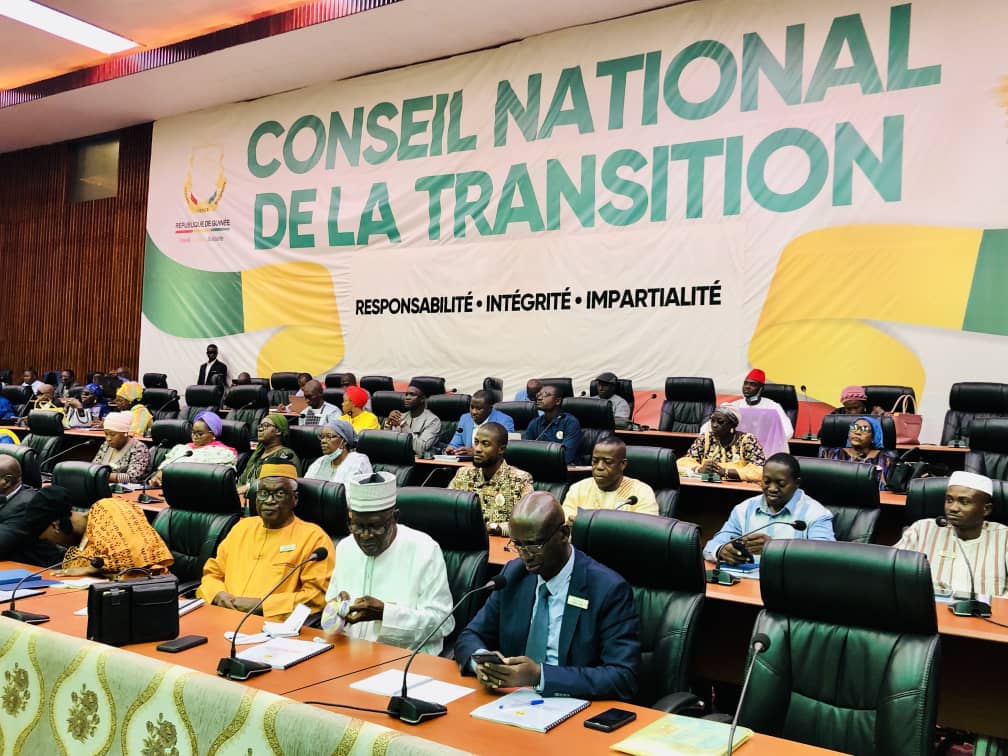
The controversy began in August 2024 when the CNT announced that Baowu had paid USD 99 million (approximately GNF 843.98 billion) as an entry fee for participating in the Simandou consortium. The legislative body initially celebrated this payment, anticipating significant revenue increases for the 2024 fiscal year. However, by December 2024, the CNT raised red flags after discovering that the Treasury had not recorded receipt of these funds—a development that transformed celebration into concern about financial transparency and state revenue collection.
In its December 23, 2024 report on the 2025 Initial Finance Law, the CNT expressed "preoccupation" over the missing funds, emphasizing the critical importance of this contribution to public finances and national economic development. The legislative body called on the government to take necessary measures to ensure rapid collection of the estimated GNF 800 billion, describing such action as "essential to reinforce state credibility, maximize economic benefits from this strategic project, and respond to citizens' legitimate aspirations."
Baowu's Explanation: Contractual Structure and Operational Deployment
Baowu Resources' clarification reveals a more complex financial architecture than initially understood. According to the company, at the financial closing date of June 19, 2024, both Baowu and WCS fully disbursed all amounts related to their initial investment as stipulated in concluded agreements, including the USD 99 million contribution. Crucially, these funds were injected directly into the holding companies and project companies managing Simandou's infrastructure and mining operations—not into government accounts.
This deployment strategy, Baowu explains, was designed to ensure "immediate, secure, and continuous financing of works" in accordance with the agreed contractual structure. Over the subsequent seventeen months, these contributions remained at the disposal of the holding and project companies, exclusively dedicated to operational execution of railway, port, mining, and associated infrastructure works.
The company emphasizes that this allocation enabled sustained progress on construction sites, prevented any slowdown in this strategically important project, and ensured that mobilized resources served primarily to achieve effective completion of infrastructure.
The Conditionality Factor
A critical element in Baowu's explanation concerns contractual prerequisites. The company states that "the Republic of Guinea, represented by the Simandou Strategic Committee, had not yet accepted to collect the USD 99 million as long as all contractual prerequisites necessary for implementing the Simandou Project had not been fully met."
This suggests that the fund transfer to state coffers was deliberately conditional upon project milestones—a mechanism likely designed to ensure investor capital directly fueled construction rather than entering general government revenues before infrastructure materialization. Now that essential infrastructure has been completed and operations have commenced in accordance with Guinean authorities' wishes, Baowu indicates Guinea can authorize payment of the USD 99 million contribution.
The company confirms that concerned entities are prepared to execute payment immediately upon receiving the Treasury's bank account coordinates, pledging to conduct the transfer "in strict compliance with contractual obligations and applicable procedures."
Analyzing the CNT's Position: Parliamentary Vigilance or Misunderstanding?
The CNT's intervention reveals both the strengths and limitations of legislative oversight in complex mining transactions. On one hand, the parliamentary body demonstrated commendable vigilance by tracking announced revenues and verifying their actual receipt—a fundamental accountability function often lacking in resource-rich jurisdictions. The CNT's December 2024 report showed institutional memory and determination to hold both government and investors accountable for financial commitments.
However, the controversy also suggests potential gaps in communication between the executive (which negotiated the Simandou agreements), the legislature, and project investors. The CNT appeared to expect direct Treasury receipts based on announcement of the payment, without full understanding of the contractual structure that placed funds within project companies pending milestone achievement. This information asymmetry between branches of government on major extractive deals represents a governance challenge that extends beyond this specific case.
The CNT's public questioning, while initially appearing confrontational, ultimately served a constructive purpose by forcing transparency and public clarification of fund flows. In a sector often characterized by opacity, such legislative scrutiny—even when based on incomplete information—can drive accountability improvements.
Implications for Mining Governance
This episode offers important lessons for mining sector governance in Guinea and beyond. First, it underscores the need for clear public communication about financial structures in major projects, particularly regarding timing and conditions for state revenue receipts. Second, it highlights the value of robust parliamentary oversight mechanisms that track commitments against actual receipts. Third, it demonstrates how complex project finance structures—while operationally justified—can create transparency challenges requiring proactive explanation to stakeholders.
As Simandou moves into operational phase, ensuring that all stakeholders, including legislators and citizens, understand fund flows will remain essential for maintaining social license and political support for this transformational project. Baowu's willingness to provide detailed clarification, coupled with the CNT's persistent oversight, suggests a maturing governance framework for Guinea's mining sector—even if coordination still requires strengthening.
The final transfer of the USD 99 million to the Treasury, now apparently imminent, should close this particular chapter while leaving valuable precedents for transparency in future mining transactions.