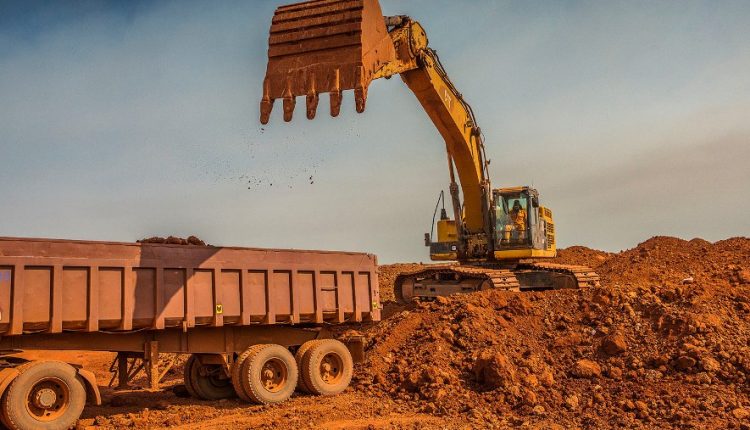
In what represents the third-largest investment treaty arbitration ever filed and the second-largest claim submitted to the World Bank, Axis International Ltd has initiated proceedings against the Republic of Guinea seeking $28.9 billion in damages following the controversial revocation of its bauxite mining permit.
Axis International, headquartered in Ras Al Khaimah, UAE, holds an 85% stake in Axis Minerals Resources S.A., which has operated the Boffa bauxite deposit since 2013. The company's trajectory from exploration permit holder to Guinea's second-largest bauxite producer demonstrates significant operational achievement. Following initial exploration work and feasibility studies, Axis secured an exploitation permit in 2018 and subsequently partnered with an operator to advance production.
The investment profile is substantial: over $250 million deployed in critical infrastructure including 75 kilometers of access roads, six processing plants, and multiple bridges. First exports commenced in 2020, with production scaling progressively to reach 18 million tonnes in 2024. Immediately prior to permit revocation, daily production had reached 169,000 tonnes, positioning Axis to potentially produce 48 million tonnes in 2025 before the May 14 shutdown.
Guinea's Ministry of Mines revoked Axis's license on May 14, 2025, during a televised announcement that cancelled over 50 mining permits. The government's stated rationale—that targeted operations were non-operational or underexploited—forms the crux of the dispute. Axis maintains its mine was demonstrably active and productive, making it the country's second-largest bauxite exporter by volume in 2024.
The revocation occurred without prior notification or consultation, accompanied by asset seizures including mining equipment and frozen bank accounts. According to Axis representatives, production data and operational metrics directly contradict the government's justification, with the company supporting 5,000 direct and indirect jobs in the Boffa region.
Axis has filed a dual-basis claim under both the 2011 Guinea-UAE Bilateral Investment Treaty and Guinea's 1995 Investment Code, administered through the World Bank's International Centre for Settlement of Investment Disputes (ICSID). Legal counsel Gunjan Sharma of Volterra Fietta argues the government's stated grounds for revocation are factually inconsistent with operational reality.
The $28.9 billion damages calculation draws from proven reserves exceeding 800 million tonnes, employing established international and Guinean legal principles. Robert Volterra, also representing Axis, emphasized that ICSID awards carry binding force and non-compliance risks negative impacts on multilateral development bank lending and private sector financing access.
This case raises critical concerns regarding investment security in Guinea's mining sector. The apparent disconnect between production metrics and regulatory action creates uncertainty for international mining investors. Axis founder Pankaj Oswal characterized the situation as asset confiscation "without notice, discussion, or compensation based on grounds that simply aren't factual," suggesting potential arrangements between former partners and government entities to resume operations.
For Guinea, the arbitration presents significant fiscal and reputational risks. Beyond potential damages liability, participation refusal or adverse awards could impact sovereign creditworthiness and development financing relationships—particularly consequential given Guinea's infrastructure development needs and bauxite sector expansion ambitions.
The Ministry of Mines has not responded to interview requests, leaving the government's detailed position unclear. As proceedings advance through ICSID, stakeholders will monitor closely for precedent-setting implications regarding mining license security, due process requirements, and investment protection enforcement in West African jurisdictions.