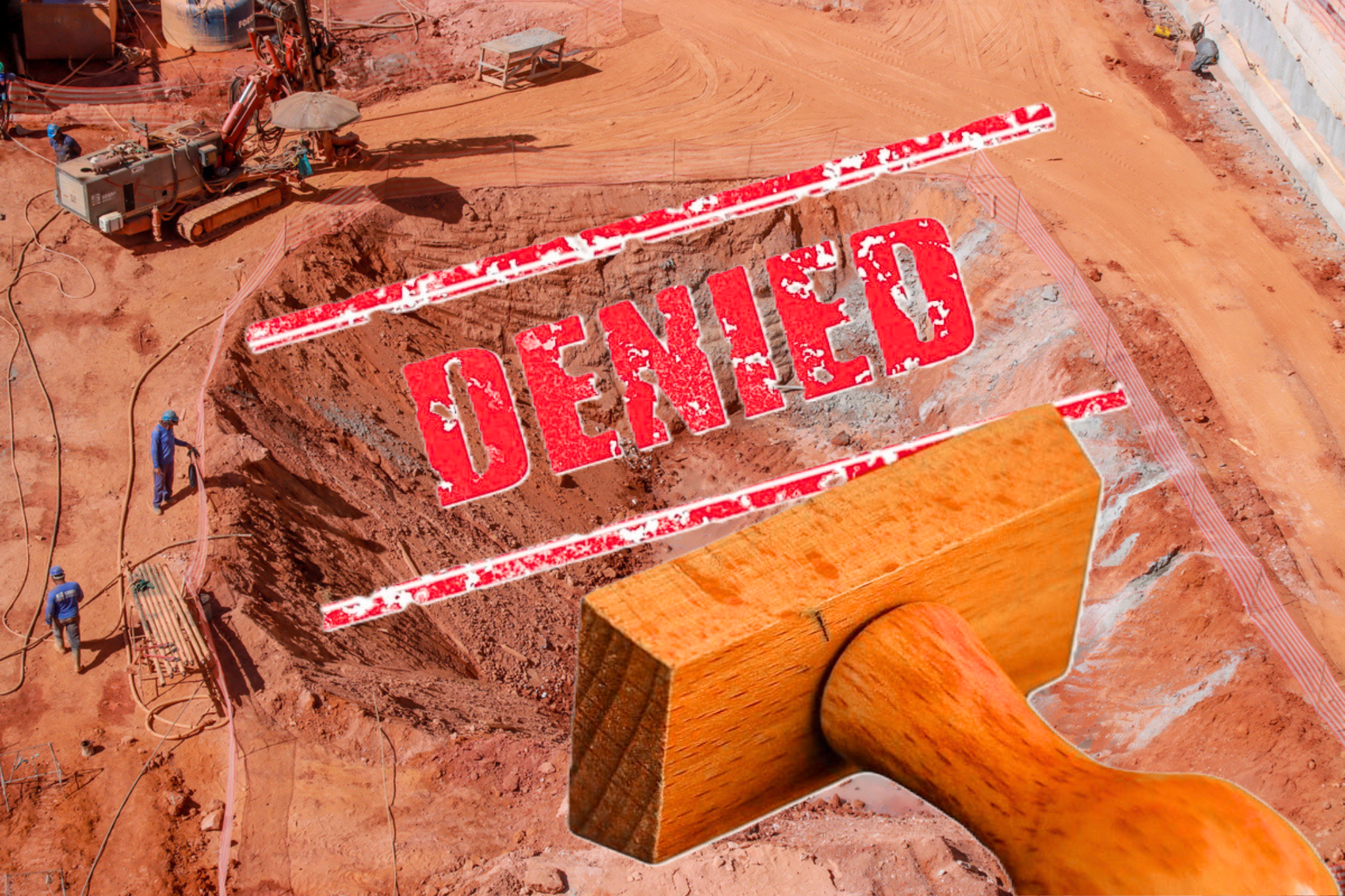
The Guinea Alumina Corporation (GAC) case offers a stark illustration of the intensifying resource nationalism sweeping across Africa, forcing multinational mining companies to fundamentally rethink their operational strategies. As African nations increasingly assert sovereignty over their natural resources and demand greater value retention, mining multinationals face an existential question: adapt or exit?
The New African Reality
The revocation of Emirates Global Aluminum's mining license in Guinea—despite GAC's $244 million direct contribution to the economy in 2024 and 3,200 jobs created—signals a paradigmatic shift. Guinea's actions reflect broader continental sentiment articulated in contemporary African policy discourse: the era of pure extraction is ending. With Africa possessing over 30% of global mineral reserves yet capturing minimal downstream value, governments are no longer willing to accept commodity-price margins while forfeiting processing jobs, technology transfer, and value-chain profits.
The statistics are compelling: Africa exports bauxite at $65 per ton but imports aluminum at $2,300 per ton. Despite contributing over 25% to global bauxite reserves, only 2.25% is refined locally. This massive value leakage—estimated at over $100 billion annually across key commodities—has become politically untenable for resource-rich nations seeking economic transformation.
Understanding the Drivers
African resource nationalism stems from multiple converging forces. First, there's institutional maturation—governments increasingly view natural resources as strategic assets for industrialization rather than mere revenue sources. Second, successful models like the UAE's sovereign wealth funds (managing over $300 billion) demonstrate what strategic resource deployment can achieve. Third, demographic pressures—with median ages around 19 years and youth unemployment high—create urgent demands for job-creating manufacturing rather than capital-intensive extraction.
Guinea's specific trigger—GAC's failure to construct the promised alumina refinery—exemplifies how social license now depends on tangible value addition, not just royalty payments and CSR projects.
Strategic Imperatives for Survival
1. Commit to Downstream Integration
Mining companies must transition from extractors to industrializers. This means genuine investment in refining, processing, and manufacturing facilities—not merely feasibility studies or delayed term sheets. GAC signed a term sheet in June 2024 for a 1-million-ton alumina refinery, but action came too late. Multinationals must proactively develop bankable downstream projects with clear timelines, demonstrating commitment to value creation before governments mandate it.
2. Build Strategic Partnerships
Rather than wholly-owned subsidiaries, mining companies should explore joint ventures with African sovereign wealth funds, development finance institutions, and local private capital. Shared ownership aligns interests and creates domestic stakeholders who benefit from the operation's success. The Africa Export-Import Bank (AFREXIM), with assets growing from $6 billion to $44 billion, represents potential partnership capital for downstream investments.
3. Transfer Technology and Skills
Multinationals must become deliberate agents of industrialization, investing in technical education, vocational training, and skills transfer that enables local management and innovation. GAC's 96% Guinean workforce is commendable, but without technology transfer and path-to-ownership frameworks, it remains insufficient under new expectations.
4. Align with Continental Frameworks
The African Continental Free Trade Area (AfCFTA) creates opportunities for regional value chains. Mining companies should position themselves as enablers of intra-African industrial ecosystems—supplying processed materials to African manufacturers rather than only to external markets. This alignment with continental priorities enhances political sustainability.
5. Embrace Transparency and Long-term Thinking
The era of opaque contracts and short-term extraction is over. Mining companies must demonstrate transparent operations, clear benefit-sharing mechanisms, and multi-generational investment horizons. This includes publishing economic contributions, environmental commitments, and measurable social impact—moving beyond rhetoric to verifiable outcomes.
The Cost of Resistance
EGA's experience demonstrates resistance consequences: 2 million tons of stockpiled bauxite, suspended operations, cancelled mining licenses, and asset transfers to state entities. Legal battles in international tribunals may yield compensation but won't restore operations or reputation. More critically, Guinea's actions signal to other African nations that reclaiming resource sovereignty is viable—potentially triggering a domino effect across the continent's mining sector.
Conclusion
Multinational mining companies face a binary choice: evolve into development partners committed to African industrialization, or face systematic displacement by state entities and new investors willing to play by Africa's emerging rules. Survival requires accepting that African governments now prioritize value retention over foreign direct investment volume, domestic capability-building over external expertise, and strategic sovereignty over immediate revenues.
The companies that thrive will be those that genuinely embrace Africa's transformation agenda—not as corporate social responsibility, but as core business strategy. This means capital commitment to downstream facilities, genuine technology partnerships, patient investment timelines, and alignment with continental aspirations for economic independence. The extractive model is dying; the question is whether existing mining multinationals will lead the transition or become its casualties.